
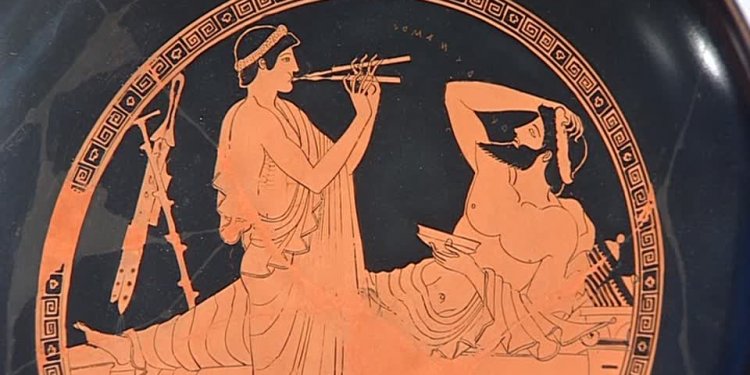
Terracotta Ceramics
Clay is created by the by the chemical weathering and geothermal alteration of igneous rocks into hydrous aluminium phyllosilicates . Most often the precursor rock is a type of granite.
The other two words are an matter of subculture and semantics. When clay is fired to a high temperature it becomes a kind of pottery or ceramic. It is permanently changed by the heat and is now more like a kind of stone. The silica melts and changes and the water is driven off, other elements melt or change too. The words mean the same thing but are used differently by different people. Pottery and ceramics are the same thing.
Terracotta is a type of clay and the pottery or ceramics (same thing) fired from it. It means "baked earth" in Italian. At first it referred to a low fire red (iron rich) groggy clay, and the porous reddish fired products made from it in Italy. It was just a local Italian common clay. Then it was generalized to any low fire reddish clay and things made from it anywhere in the world in any time period. Terracotta pots, plates, water pipes, flower pots architectural elements, tiles and sculpture are reddish (or buff, yellowish and other colors from the iron when not glazed), porous and fired between 1200-1800 F (600-1000 C).
Later, the word was further generalized to anything that is sort of that color. The word first came into use in Italian in the 170s and into English inn the 1800s. For potters it does not mean much besides "low fire, porous, often reddish clay". Low-fire, and earthen ware are used interchangeably by potters.
So, Clay is from geology, ceramics is when it is fired, also called pottery (older word in English was crockery), terrracotta is one sort of clay and pottery.
There are many specialized words in English for the craft of pottery. Clay is from an Old English word and has older Indo European word root. Throw is to make on a wheel, it is Old English too meaning to turn or twist. Glaze has the same root roots as glass, from a older word for "amber". Kiln is from latin for kitchen or cookstove. Old English was cylene meaning oven. Pot and pottery is newer, from French after the Normans in the 1300s to 1400s or so it moved into English. The older word was crocc. A crocker was a potter. Ceramic is of even more recent French origin (from Greek). It was borrowed in the 19th century to make pottery sound higher class. Stoneware means high fired pottery and clay. Porcelain is from Italian meaning a white sea shell (concha venus) that they thought it was made of when they first got it from China.
Share this article
Related Posts


Latest Posts


